How often should you have one-to-ones? Ask five managers, and you'll get one of two answers: 30 or 60 minutes, every other week, for everyone on the team, no exceptions. That's a schedule, not a decision.
Why It Matters
A fixed cadence treats a brand-new hire and your most senior person the same way. One of them needs you every week. The other might need you once every three weeks. Neither is served by a template built for nobody in particular.
What You'll Learn
- Why cadence should track experience, not a calendar default
- Why a one-to-one should never run the full hour
- What managing eighteen direct reports taught about check-ins
- How to ask people what they need without just handing them the calendar
- Why remote and hybrid managers especially can't let a good cadence turn into invisibility
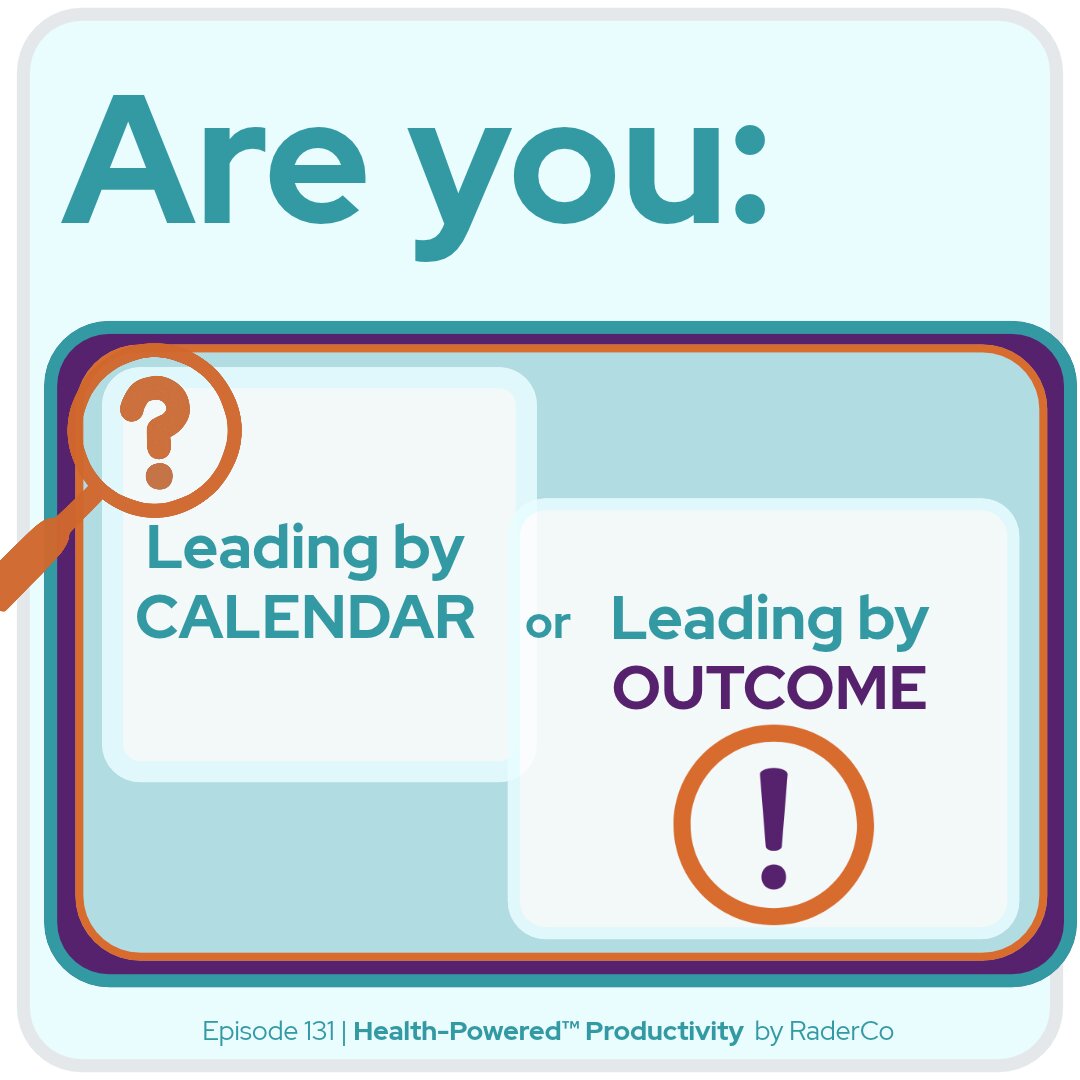
Leading by calendar instead of outcome
Someone new to a role, or new to their career, might need a one-on-one every week. Someone more senior might need one every two or three weeks. Never less than once a month, or you've stopped managing them. The difference is what you're leading with: the calendar, or the outcome you're actually trying to get to.
Stop booking the full hour
No meeting should run a full hour, and a one-to-one especially shouldn't. It should never end on the hour, because if the next meeting starts on the hour, there's no room in between. You need that room here more than almost anywhere else. Maybe they need to go back and look at their task load after a prioritization conversation. Maybe there's a follow-up action. You need a minute to jot down something to check back on for their next review. Fifty minutes, forty-five, or twenty-five for a shorter check-in. Longer meetings twice a month, or shorter ones weekly. Either shape works. An hour, back to back, every time, doesn't.
Eighteen direct reports
At one point I managed eighteen people. Don't do that. They were all new to the role, clinical research associates, brand new. I met with each of them for an hour every other week, with fifteen-minute check-ins on the off weeks. Those check-ins were disruptive most of the time. One day, one of them told me flat out: I really don't need these check-ins.
It hadn't occurred to me to ask. Once I did, the answers split. Some people loved the fifteen-minute check-ins. Others didn't need them at all.
Ask, but don't just hand over the calendar
Just because someone has an opinion doesn't mean you take it at face value. If someone says they never need a one-to-one, or once a month is plenty, that might not be enough. Treat it as a discussion, not a directive. Lead with the outcome and the person's experience, not with what's easiest to schedule.
The exception: visibility
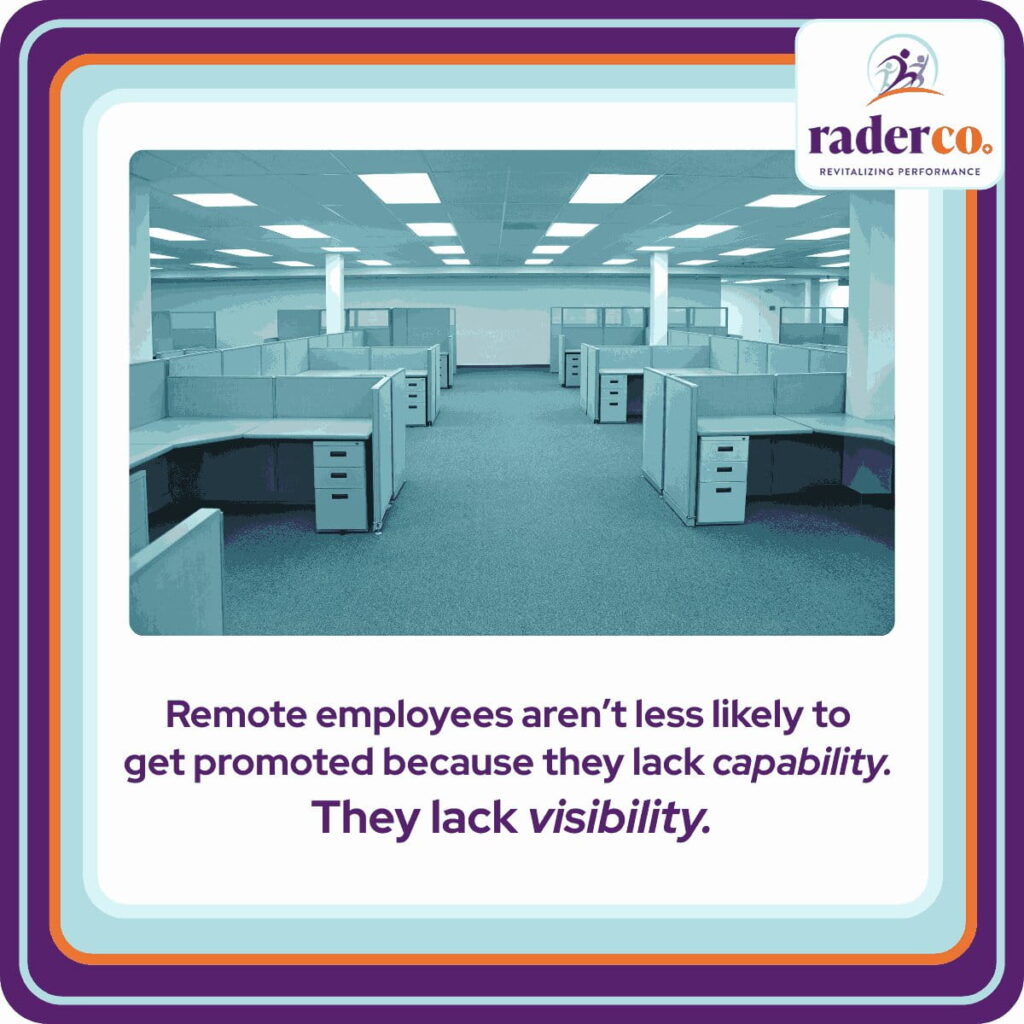
One place to be careful, especially with remote or hybrid staff: don't let "they said they're fine" turn into "I never see them." Fully remote workers are promoted 31% less often than in-office or hybrid workers, according to an analysis of roughly two million employees by Live Data Technologies. A Stanford study led by economist Nicholas Bloom found hybrid workers get promoted at the same rate as people in the office full time, so the penalty is specific to being fully remote. It isn't about performance. It's visibility.
FAQ
How often should a new employee have one-to-ones? Weekly is a reasonable default for someone new to a role, since they need more frequent course correction and more chances to ask questions before small confusions compound.
How long should a one-to-one run? Never the full hour. Fifty minutes, forty-five, or twenty-five for a shorter check-in, so there's room afterward for both people to act on what was discussed.
What if someone says they don't need one-to-ones? Treat it as a data point, not a final answer. Meet at least once a month, and check back in if their work or standing on the team changes.
Does this change for remote employees? It should go the other way. A comfortable cadence can quietly turn into invisibility, and fully remote workers already face a real promotion gap tied to visibility rather than performance.
Resources